
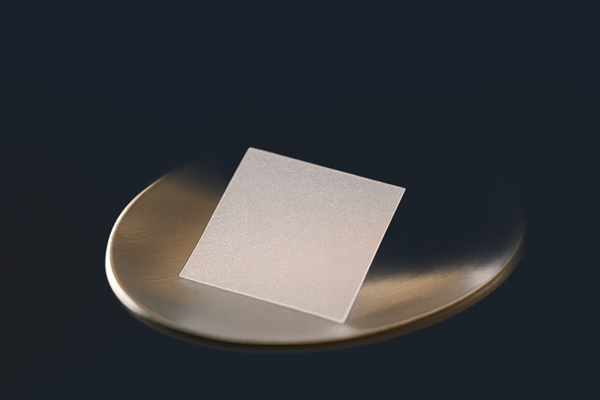
Probiotic thin film
Short Description:
Probiotic Oral Dissolving Films (ODF) deliver viable probiotics without water. The thin film melts on the tongue within seconds—human-centric, portable, and adherence-friendly for kids, seniors, and people with dysphagia.
Product Video
Sample Diagram
Performance & Features
This ODF balances mouthfeel, adherence, and probiotic viability. The film disintegrates on the tongue in ~30–60 seconds, eliminating the need to swallow capsules—ideal before/after toothbrushing or on-the-go. Because probiotics are moisture/heat sensitive, we use a low-water-activity matrix and multi-layer protection (e.g., trehalose, inulin/FOS as protectants and prebiotics), plus microencapsulation or freeze-dried powders to enhance survival. Each unit is portion-controlled for accurate, convenient dosing with child-friendly, sugar-conscious flavor systems and a clean finish. High-barrier sachets or alu-blister packs protect viable counts at ambient conditions. Manufacturing relies on low-temperature casting, controlled drying, and hygienic GMP practices to minimize thermal deactivation and cross-contamination. Positioned as a dietary supplement (not a medicine), the content and claims align with cross-region compliance expectations.
Work station details
The probiotic ODF leverages “pre-swallow disintegration” for buccal/oral delivery, shortening the intake pathway and enhancing adherence. Film-forming polymers such as pullulan and HPMC are combined with minimal plasticizers (glycerol/sorbitol) to keep the film flexible yet low in moisture. Trehalose, maltodextrin, inulin, and FOS act as protectants (stabilizing cell membranes/proteins) and prebiotics. To protect viability, we use low-temperature solvent casting with staged drying (typically 30–45 °C, low airflow, dehumidified rooms) and controlled web tension to achieve uniform 50–120 µm thickness and clean slit-ability. Sensory design blends mild acidity and natural flavors for child acceptance; potential allergens are avoided and transparently labeled. Primary packaging favors alu-foil sachets with desiccants to maintain low water activity; while cold-chain is not mandatory, refrigerated storage is recommended in hot/humid regions to extend shelf life. QC spans content uniformity, disintegration time, residual moisture/aw, tensile strength, microbial limits, and viable count recovery to secure batch-to-batch consistency from prototyping to scale-up.
Technical Parameters
Strains: Lactobacillus acidophilus, L. rhamnosus GG, Bifidobacterium lactis, B. animalis, single- or multi-strain.
Viable Count: 1×10⁸–1×10⁹ CFU/film (higher loads customizable after thickness/stability assessment).
Film Size/Mass: 20×30 mm (custom 18×25 / 25×35 mm); 60–120 mg per film.
Thickness: 50–120 µm; Residual Moisture ≤3.0%; Water Activity aw ≤0.30.
Disintegration: 30–60 s (target ≤90 s); Dissolution uniformity RSD ≤10%.
pH (1% sol.): 5.0–6.5 for palatability and cell viability balance.
Mechanics: Tensile strength ≥20 MPa; Elongation at break ≥5%; no brittle tearing.
Matrix & Protectants: Pullulan/HPMC + trehalose/maltodextrin/inulin/FOS; microencapsulated or freeze-dried powders.
Sweeteners/Flavors: Erythritol + stevia/monk fruit; natural citrus/berry/mint notes.
Packaging: High-barrier alu sachets or PVDC/ACLAR blisters with desiccants.
Storage/Shelf Life: 15–25 °C, RH <60%; avoid heat/humidity; 18–24 months at ambient (subject to stability studies).
Micro Limits: Meets dietary-supplement limits; E. coli/Salmonella absent.
Directions: Adults/children; 1–2 films daily, let dissolve on the tongue; avoid hot beverages concurrently.
Compliance: Dietary supplement; no disease-treatment claims; labeling aligned to target-market regulations.
Previous:No Information
Next:Melatonin ODF